
Boost joint health and recovery with supplements


You train hard, push limits, and demand peak performance from your body. Yet joint discomfort can derail progress faster than any missed workout. Omega-3 fatty acids reduce joint tenderness by 25%, proving that strategic supplementation isn’t just for ageing populations. Athletes and fitness enthusiasts who prioritise joint support experience faster recovery, reduced inflammation, and sustained training capacity. This guide reveals evidence-backed strategies to optimise joint health through targeted supplementation, helping you maintain the intensity your goals demand without compromise.
Table of Contents
- Who needs joint support, really?
- The science behind joint support supplements
- Comparing joint support strategies
- How to apply joint support strategies in your fitness routine
- Find your optimal joint support solution
- Frequently asked questions
Key Takeaways
| Point | Details |
|---|---|
| Supports prevention and longevity | Taking joint support supplements can help athletes prevent discomfort and extend their active lifestyles. |
| Evidence-backed ingredients | Top supplements like omega-3, curcumin, Boswellia, and UC-II collagen are proven to reduce pain and aid recovery. |
| Synergies boost effectiveness | Combining certain supplements or using bioavailable forms increases their anti-inflammatory and recovery benefits. |
| Practical routine matters | Consistent daily use, proper dosing, and understanding individual needs are key to maximum joint support. |
Who needs joint support, really?
Joint support isn’t reserved for those experiencing chronic pain or age-related deterioration. Athletes face unique challenges that make proactive joint care essential. Repetitive impact from running, explosive movements in CrossFit, and heavy lifting all place extraordinary stress on cartilage, synovial fluid, and connective tissue. Over time, this cumulative load creates micro-damage that limits mobility and extends recovery windows.
Consider these realities:
- Runners log thousands of foot strikes per session, each generating force up to three times body weight
- Weightlifters compress spinal discs and stress shoulder joints through repeated overhead movements
- Team sport athletes endure sudden direction changes that strain knee ligaments and menisci
Supplementation offers a preventative approach rather than reactive treatment. Joint-specific supplements less emphasised in elite athletes, but recovery aids like amino acids and probiotics show promise for supporting overall recovery capacity. The goal isn’t masking pain but providing raw materials your body needs to maintain joint integrity under demanding conditions.
“Joint health determines training consistency. Without it, even the best programming fails.”
Proactive supplementation supports longevity in sport. You’re not waiting for discomfort to dictate your training schedule. Instead, you’re building resilience that allows sustained high-intensity work. This approach aligns with how serious athletes view nutrition: as performance infrastructure, not emergency intervention. Learn more about joint support for peak performance and how it integrates into comprehensive training strategies.
The science behind joint support supplements
Effective joint supplementation targets specific mechanisms: reducing inflammation, supporting cartilage synthesis, and improving synovial fluid quality. Research identifies several compounds with robust evidence backing their efficacy.
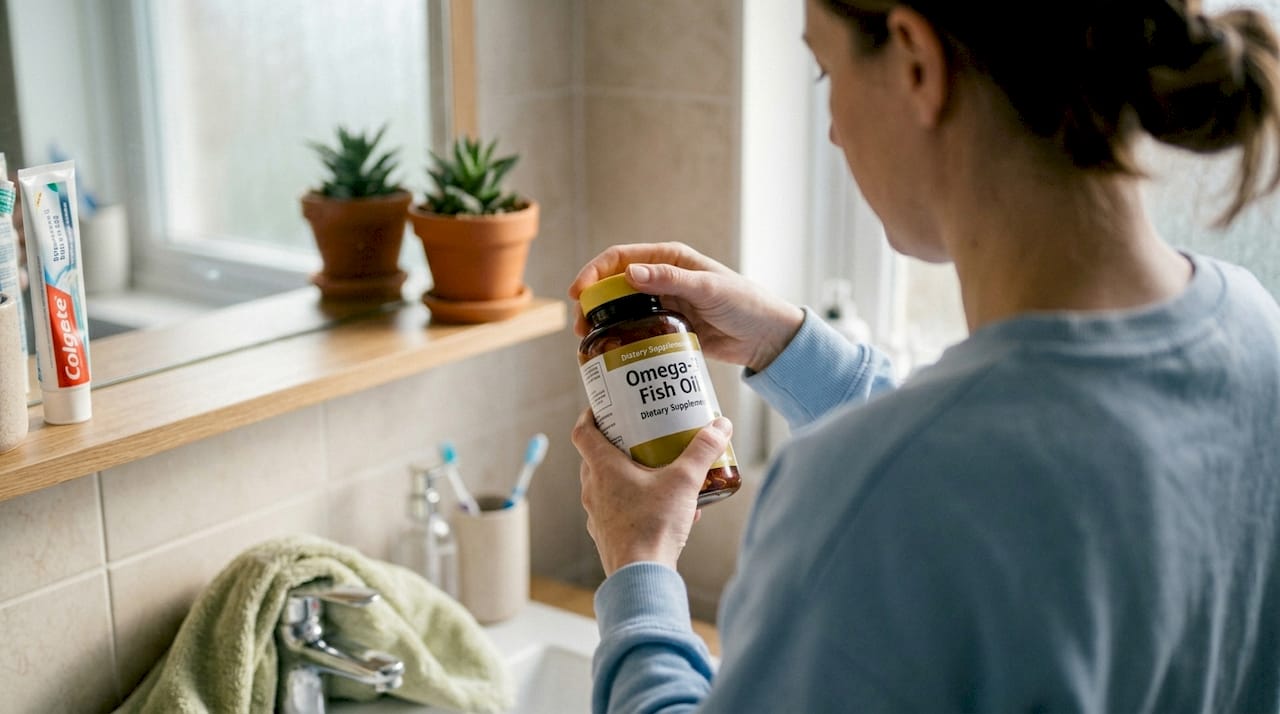
Omega-3 fatty acids stand out for their dual action. These essential fats reduce joint tenderness by 25%, decrease morning stiffness, and lower pro-inflammatory cytokines whilst improving synovial fluid viscosity. The recommended dose of 2-3g combined EPA and DHA daily provides therapeutic benefits without the gastrointestinal issues some athletes experience with higher doses. Fish oil remains the most bioavailable source, though algae-based options work for plant-based athletes.
Curcumin and Boswellia function as natural anti-inflammatories. Both compounds block inflammatory pathways and rival NSAIDs for pain management at doses of 1000-1500mg daily for curcumin and 100-250mg for Boswellia extract. The key lies in bioavailability. Standard curcumin absorbs poorly, making enhanced formulations with piperine or lipid carriers essential for results.
UC-II collagen works differently than other joint supplements. Rather than providing building blocks for cartilage, it modulates immune response through oral tolerance. This undenatured collagen improves KOOS pain scores and quality of life whilst reducing CTX-II, a marker of cartilage breakdown. Just 40mg daily produces measurable benefits, particularly for those with mild to moderate discomfort.
| Supplement | Mechanism | Effective Dose | Key Benefit |
|---|---|---|---|
| Omega-3 | Anti-inflammatory, lubricates joints | 2-3g EPA/DHA | Reduces tenderness 25% |
| Curcumin | Blocks COX-2 enzyme | 1000-1500mg | Rivals NSAID efficacy |
| Boswellia | Inhibits 5-LOX pathway | 100-250mg extract | Post-exercise soreness |
| UC-II Collagen | Immune modulation | 40mg | Improves pain/quality of life |
| Glucosamine/Chondroitin | Cartilage precursors | 1500mg/1200mg | Mixed evidence |
Pro Tip: Bioavailability determines results more than dosage. Choose curcumin with black pepper extract or lipid formulations, and take fat-soluble supplements with meals containing healthy fats.
Glucosamine and chondroitin remain popular but evidence is inconsistent. Some studies show modest benefits for osteoarthritis, whilst others find no advantage over placebo. If you’re exploring comprehensive approaches, review our collagen supplements guide and discover why collagen supplements matter for active lifestyles.
Comparing joint support strategies
Understanding how different supplements interact and where they fit within broader recovery protocols helps you build an effective regimen. Not all approaches deliver equal results, and some combinations amplify benefits through synergistic mechanisms.
Synergistic combinations outperform single-ingredient approaches. Combined curcumin and Boswellia synergistically reduce inflammation post-exercise, targeting different inflammatory pathways simultaneously. This dual-action approach provides more comprehensive inflammation control than either compound alone. Similarly, pairing omega-3s with curcumin addresses both acute inflammation and chronic low-grade inflammatory states.
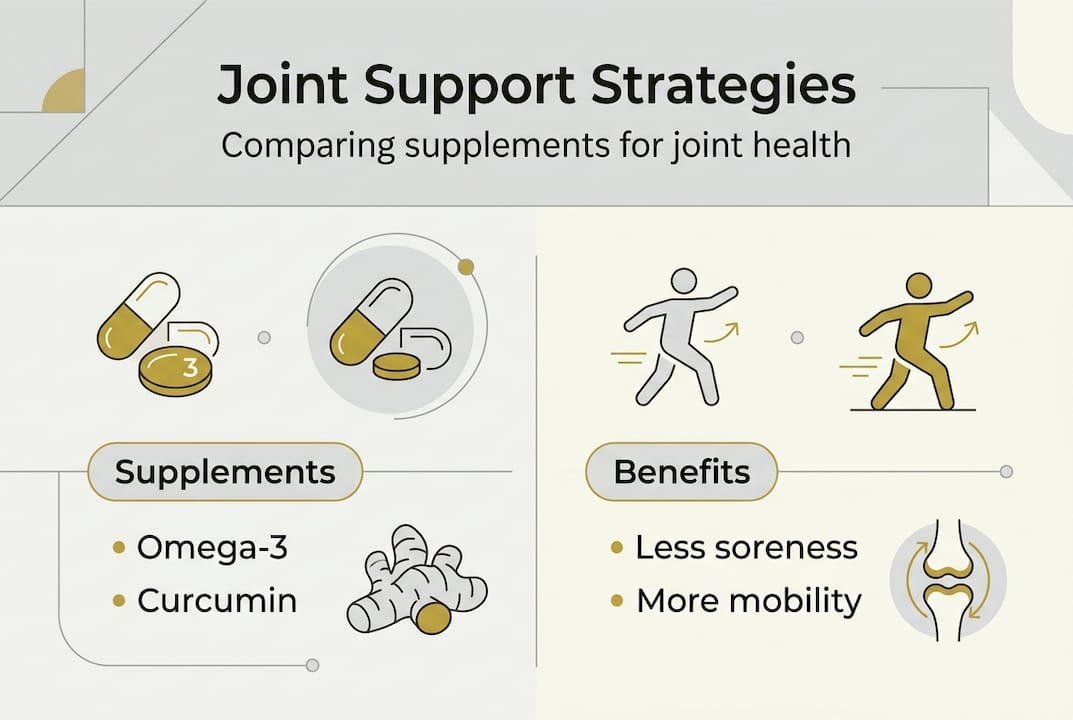
| Strategy | Pros | Cons | Best For |
|---|---|---|---|
| Omega-3 Only | Broad anti-inflammatory, cardiovascular benefits | Slower onset, fishy aftertaste | Prevention, general wellness |
| Curcumin + Boswellia | Potent anti-inflammatory, fast-acting | Requires enhanced bioavailability forms | Active inflammation, post-training |
| UC-II Collagen | Immune modulation, low dose needed | Less effective for severe cases | Mild discomfort, early intervention |
| Whole Food Diet | No supplement cost, nutrient synergy | Difficult to achieve therapeutic doses | Foundation for all approaches |
| Recovery Aids (Amino Acids/Probiotics) | Support overall recovery capacity | Limited joint-specific evidence | Comprehensive recovery protocols |
Supplement limitations deserve honest assessment. Harvard notes little evidence supplements beat balanced diet for performance, emphasising that supplementation should enhance, not replace, proper nutrition. Whole foods provide cofactors and synergistic compounds that isolated supplements lack. However, achieving therapeutic doses of specific compounds like EPA/DHA or curcumin through diet alone proves impractical for most athletes.
Key considerations when comparing approaches:
- Bioavailability matters more than label claims: Standard curcumin absorbs poorly; enhanced formulations deliver 20x better absorption
- Timing influences efficacy: Some compounds work best with consistent daily intake, others show acute benefits post-exercise
- Individual response varies: Genetic factors, gut health, and existing inflammation levels affect how you respond to specific supplements
“The best supplement strategy combines targeted compounds with a foundation of nutrient-dense whole foods and adequate protein intake.”
For athletes focused on comprehensive recovery, explore strategies for cutting recovery time naturally, understand recovery supplement benefits, and review muscle recovery supplements that complement joint support protocols.
How to apply joint support strategies in your fitness routine
Translating research into practical application requires understanding dosing protocols, timing strategies, and how to adjust based on your specific needs and training demands.
Daily supplementation protocol for joint support:
- Morning: Take 2-3g omega-3 (EPA/DHA) with breakfast containing healthy fats to maximise absorption
- Pre-training: Consider 40mg UC-II collagen 30-60 minutes before exercise for immune modulation benefits
- Post-training: Consume 500-750mg enhanced curcumin with 60mg Boswellia extract to address acute inflammation
- Evening: Additional 500-750mg curcumin if training was particularly intense or joints feel stressed
Adjusting for discomfort severity optimises results. UC-II collagen modulates immune response with benefits varying by discomfort severity, showing particular effectiveness for mild cases. If you’re experiencing minimal joint issues, focus on omega-3s and UC-II for prevention. Moderate discomfort benefits from adding curcumin and Boswellia. Severe or persistent problems require professional evaluation before relying solely on supplementation.
Boswellia at 60mg reduces soreness in post-downhill running recovery, demonstrating acute benefits for exercise-induced inflammation. This suggests strategic dosing around high-impact sessions rather than only consistent daily intake.
Pro Tip: Track joint comfort and training performance for 4-6 weeks when starting new supplements. Subjective improvements in mobility, reduced morning stiffness, and faster recovery between sessions indicate efficacy.
Common mistakes to avoid:
- Choosing supplements based on price rather than bioavailability and quality
- Expecting immediate results; most joint supplements require 4-8 weeks for noticeable benefits
- Ignoring the foundation of adequate protein, hydration, and sleep
- Taking fat-soluble supplements without dietary fat, reducing absorption significantly
- Discontinuing supplements once discomfort improves rather than maintaining preventative dosing
Integrate joint support within broader recovery strategies. Explore muscle repair supplementation and vitamin advantages for fitness to build comprehensive protocols that address multiple recovery pathways simultaneously.
Find your optimal joint support solution
You’ve explored the science, compared strategies, and learned practical application. Now it’s time to implement these insights with quality supplements designed specifically for athletes and active individuals.
Elevate Supplements offers targeted joint support formulations that combine evidence-backed ingredients at therapeutic doses. Our joint support supplement delivers the compounds discussed throughout this guide in bioavailable forms that your body can actually use. Whether you’re preventing future issues or addressing current discomfort, we’ve curated solutions that align with serious training demands. Explore our complete range of supplement powders to build a comprehensive recovery protocol that keeps you training at peak capacity.
Frequently asked questions
Can joint support supplements help prevent injuries?
Whilst they don’t prevent injuries directly, omega-3 fatty acids reduce joint tenderness and inflammation, potentially lowering risk over time by maintaining joint integrity under training stress.
Is there a best time to take joint support supplements for athletes?
Consistent daily intake matters most, though Boswellia reduces soreness in post-downhill running recovery, suggesting strategic post-exercise dosing amplifies benefits for acute inflammation.
Do joint support supplements work better than a balanced diet?
Harvard notes little evidence supplements beat balanced diet for performance. Supplements should complement proper nutrition, offering targeted benefits difficult to achieve through food alone.
Which supplement is best for mild joint discomfort?
Mild discomfort benefits more from UC-II collagen, which modulates immune response and improves quality of life faster than other options at just 40mg daily.
Recommended
- Why supplement with joint support for peak performance – Elevate Supplements
- Why recovery supplements matter for athletes in 2026 – Elevate Supplements
- Why Collagen Supplements Matter for Active Lifestyles – Elevate Supplements
- Collagen supplements for skin and joint health: 2026 guide – Elevate Supplements

