
Fish Oil as a Supplement: What the Evidence Actually Shows


Last Updated: October 29, 2026
Quick Summary
Fish oil as a supplement is a legitimate source of the omega-3 fatty acids EPA and DHA, which your body cannot make efficiently and must get from food or supplements. However, the evidence does not show that it prevents heart disease: Cochrane found no heart-health benefit in the general population, and Harvard Health Publishing states there is no evidence that fish oil capsules improve cardiovascular health and that they may even cause harm.
- Roughly 1 in 5 Americans now takes a fish oil supplement, according to Consumer Reports' February 2026 survey of 2,272 US adults.
- Speak to your GP before starting if you take blood-thinning medication or have surgery scheduled.
- Consumer Reports' testing of 20 popular fish oil supplements found none raised major safety concerns over contaminants or quality.
- For a general omega-3 gap, prioritise 250-500 mg EPA+DHA daily from a third-party tested product.
- Fish oil is not on the 2026 WADA Prohibited List, so there is no anti-doping concern with a standard product.
Table of Contents
- Fish Oil Benefits: What the Evidence Supports and What It Doesn't
- Fish Oil Dosage: How Much EPA and DHA You Actually Need
- Fish Oil Side Effects and Who Should Be Cautious
- How to Choose Fish Oil Supplements That Meet Their Label Claims
- Checking Certifications Before You Buy
- Choosing a Fish Oil Supplement That Fits Your Goals
- Frequently Asked Questions
Fish Oil Benefits: What the Evidence Supports and What It Doesn't
Fish oil as a supplement is one of the most widely used dietary supplements in the world, yet the evidence behind its most famous claims is far weaker than the marketing suggests. According to Consumer Reports' February 2026 national survey of 2,272 US adults, roughly 1 in 5 Americans now takes a fish oil supplement. At Elevate Supplements, we think that popularity deserves scrutiny rather than blind trust.
Here is the honest position: fish oil is a legitimate source of the long-chain omega-3 fatty acids EPA and DHA, which the body cannot make efficiently and must obtain from food or supplements. That is a real nutritional benefit. What fish oil is not is a proven heart-disease preventive. Cochrane's review of long-chain omega-3 supplements concluded that fish oil, EPA and DHA do not benefit heart health or reduce heart-disease risk in the general population. Harvard Health Publishing goes further, stating there is no evidence that fish oil capsules improve cardiovascular health and that they may even cause harm.
So what does the evidence actually support?
Fish Oil Dosage: How Much EPA and DHA You Actually Need
If you take blood-thinning medication or have surgery scheduled, speak to your GP before starting.
Fish Oil Side Effects and Who Should Be Cautious
The BMJ Medicine study on regular fish oil use and atrial fibrillation examined the association between regular fish oil supplement use and the clinical course of cardiovascular disease, from a healthy state to atrial fibrillation. That is a signal worth taking seriously, not a reason to panic, but a reason to be honest with your GP about what you take.
How to Choose Fish Oil Supplements That Meet Their Label Claims
The uncomfortable truth about this category is that the label and the contents do not always match. research on the regulatory compliance of omega-3 health claims assessed how well omega-3 supplement labels comply with health-claim regulations, and the findings reinforce a simple rule: buy on verified evidence, not on the front-of-pack promises.
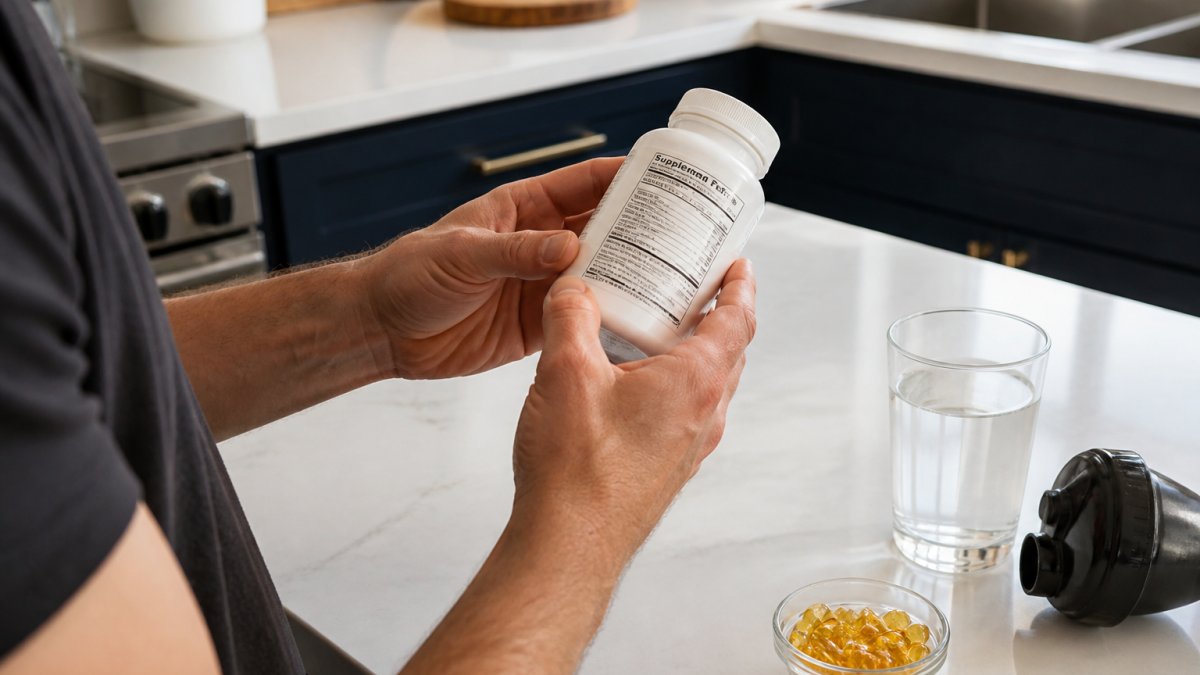
Our buying checklist, in priority order:
On contamination, there is reassuring news: Consumer Reports' testing of 20 popular fish oil supplements found that none of the products raised major safety concerns regarding contaminants or quality. The bigger risk in this category is under-delivering on the EPA and DHA you paid for, not heavy metals.
Checking Certifications Before You Buy
At Elevate Supplements, our own range is backed by GMP, HACCP, ISO and Halal certification, and we hold a 5-star food hygiene rating.
Choosing a Fish Oil Supplement That Fits Your Goals
| Your goal | What to prioritise | What to skip |
|---|---|---|
| General omega-3 gap | 250-500 mg EPA+DHA daily, third-party tested | High-dose "megadose" products |
| Athletic recovery | Triglyceride form, taken with meals | Cheap ethyl ester capsules |
| Skin and hair support | Consistent daily dose, verified purity | Products with vague "marine oil" labels |
| Heart-health focus | Medical advice first, moderate dose | Self-prescribed high doses |
For athletes, one useful fact: according to the 2026 WADA Prohibited List analysis on Examine.com, fish oil is not classified as a prohibited substance, so there is no anti-doping concern with a standard product.
Frequently Asked Questions
Is fish oil the same as omega-3?
Not exactly. Fish oil is one source of omega-3 fatty acids, specifically EPA and DHA, which are the long-chain forms your body uses most readily. Omega-3 is the broader category and also includes ALA from plant sources such as flaxseed. A fish oil supplement delivers EPA and DHA directly, which is why it is the most common way people increase their intake of these two fatty acids.
How much fish oil should you take each day?
There is no single official dose, and the right amount depends on your reasons for taking it and your diet. Labels typically suggest 1,000 mg of fish oil daily, but check how much of that is actual EPA and DHA rather than total oil weight. A 2026 trial in dialysis patients used a daily supplement and found reduced serious heart risks, though that group has specific clinical needs. Speak to a GP or pharmacist before setting a dose, particularly if you take blood-thinning medication.
What are the side effects of fish oil supplements?
Common fish oil side effects include a fishy aftertaste, mild indigestion, loose stools and nausea, especially at higher doses. Taking capsules with food usually reduces these. Because omega-3s can affect clotting, anyone on anticoagulants or facing surgery should check with a healthcare professional first. Cochrane's review also found no cardiovascular benefit from long-chain omega-3 supplements, and Harvard Health Publishing notes they may cause harm, so the case for taking them should be based on your own circumstances rather than general claims.
What should you look for when choosing a fish oil supplement?
Read the label for EPA and DHA amounts per capsule, not just total fish oil. Look for third-party testing and certifications such as GMP, HACCP and ISO, which indicate manufacturing standards are independently checked. In 2026 Consumer Reports tested 20 popular fish oil supplements and found none raised major safety concerns about contaminants, but label accuracy still varies. If you need Halal certification, confirm it is stated on the product, and buy from a UK-based brand whose claims you can verify.
Finding a supplement you can actually trust is harder than it should be. At Elevate Supplements, we built our range around exactly that problem: GMP, HACCP, ISO and Halal certified products, made for people who want verified quality rather than unverified claims. Explore our best sellers and see the difference certification makes.

